As
a developmental pediatrician, I often meet parents who sense something
different in their child but are unsure whether to worry. Early signs of autism
can be subtle—your child may not respond consistently to their name, may avoid
eye contact, or may prefer playing alone rather than engaging with others. Some
children show delays in speech, while others may use words but not for
meaningful communication. Repetitive behaviors like lining up toys or strong resistance
to change as well as unusual sensory behaviors are also important clues.
Here,
what concerns me most is when parents are advised to “wait and watch,” which can delay
intervention.
If
your child is not pointing, not using gestures, or has limited interaction by
18 months, it is important to seek an evaluation. Early identification
allows us to begin therapy at the right time, significantly improving
long-term developmental outcomes.
Red Flag: When to consult?
| Age / Stage | Symptom |
|---|---|
| By 12 months | Does not respond to name |
| By 14 months | Does not point at objects |
| By 18 months | Does not pretend play |
| General | Avoids eye contact and may want to be alone Has trouble understanding other people’s feelings Has delayed speech and language skills Repeats words or phrases over and over (echolalia) Gives unrelated answers to questions Gets upset by minor changes Has obsessive interests Makes repetitive movements like flapping hands, rocking Has unusual reactions to sounds, smells, taste, look, or feel |
Autism: Myths vs Facts (Indian Parents Must Know)
In my clinical practice, especially in our part of India, I frequently encounter families influenced by common myths about autism. Many parents are told that “boys speak late” or that the child will eventually outgrow delays. Others worry that parenting style may have caused the condition. Scientifically, autism is a neurodevelopmental condition and not the result of poor parenting. Another misconception is that nothing can be done, which is far from the truth. Evidence-based therapies such as speech therapy and occupational therapy can make a significant difference, especially when started early. Delaying evaluation due to reassurance from non-experts often leads to missed opportunities for intervention. As pediatricians, our role is to guide families with accurate information and timely action. Understanding the facts helps parents make informed decisions and ensures that children receive the support they truly need during their critical developmental years.
❌ Let’s break common myths ❌
❌ Myth 1: “Boys talk late, it’s normal”
✅ Fact: Persistent delay needs evaluation
❌ Myth 2: “Bad parenting causes autism”
✅ Fact: Autism is a neurodevelopmental disorder.
❌ Myth 3: “Child will outgrow it”
✅ Fact: Early therapy improves outcomes
❌ Myth 4: “No treatment available”
✅ Fact: Many evidence-based therapies work
Key message
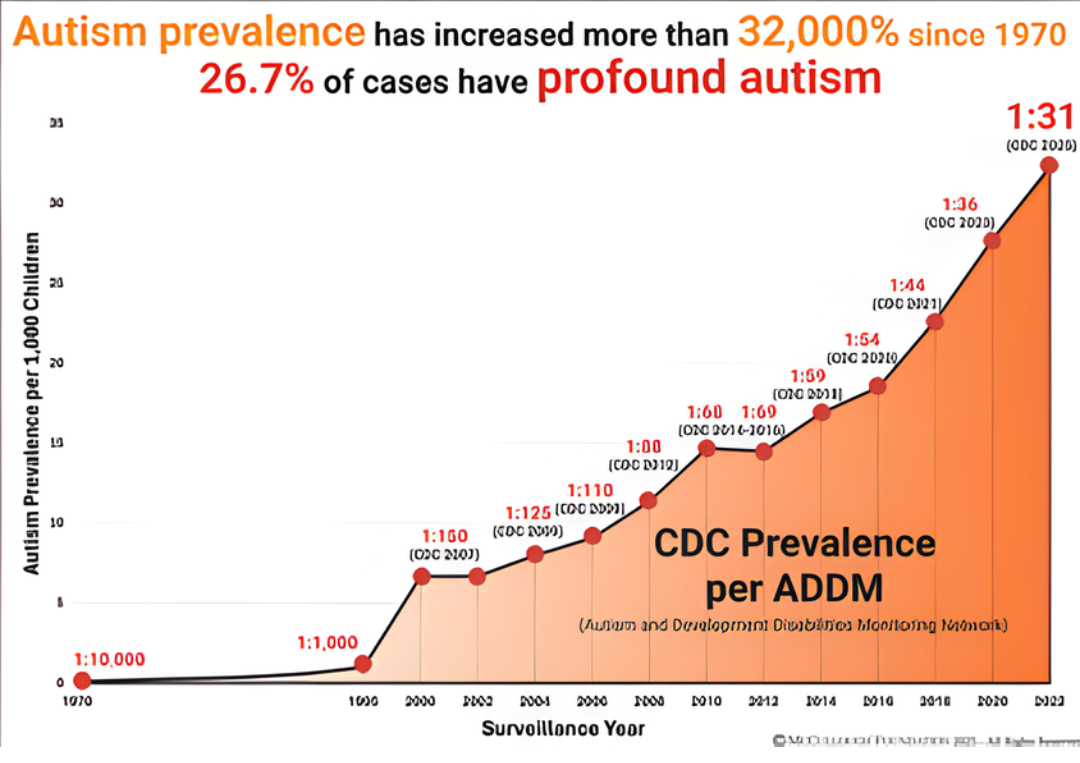
Most important fact: the incidence of Autism Spectrum Disorder is steadily rising. Awareness reduces delay in diagnosis and improves your child’s future.
Interventions That Work for Autism (Evidence-Based Guide): Parent Mediated Interventions + Therapist Directed Interventions
One of the most common questions I receive from parents is, “Which therapy will help my child?” It is important to focus on interventions that are supported by scientific evidence and are Goal Based.
The most important therapy for any child with Autism Spectrum Disorder is Parental Preparedness.
As caregivers, it is important that they understand the signs that child is showing, and how to help the child with it. That being said, many times therapies help parents navigate the child’s developmental journey better.
Speech therapy plays a central role in improving communication, both verbal and non-verbal. Occupational therapy, particularly with sensory integration, helps children regulate their responses and develop daily living skills. Behavioral approaches, when applied appropriately, can enhance learning and adaptive behaviors. However, what truly determines success is consistency and intensity.
Therapy is not limited to the clinic; parents must be actively involved in continuing strategies at home.
I strongly advise families to be cautious of unproven treatments or “quick fixes” that promise miraculous results. Progress in autism is gradual, but with structured, goal-directed intervention, children can achieve meaningful improvements in communication, independence, and overall quality of life.
What to Do After an Autism Diagnosis: A Parent Roadmap
First, take a breath
A diagnosis is not the end—it’s the beginning of the right support.
Receiving an autism diagnosis for your child can feel overwhelming, and as a developmental pediatrician, I understand the emotions that follow—confusion, fear, and many unanswered questions.
The most important step is to move forward with a clear plan rather than delay action. In the first few months, expert parental guidance is crucial. Establishing a structured daily routine at home, reducing screen time, and increasing meaningful interaction can make a significant difference. Parents should focus on simple strategies like talking to the child during everyday activities, encouraging gestures, and engaging in play-based learning. Home Strategies can look something like this:
• Talk more, label everything
• Use gestures + visuals
• Play-based learning
Initiating therapy sessions with experts, customized for the particular child is recommended. It is also important to collaborate with educators to support school readiness and create an individualized plan if needed. While progress may seem slow initially, consistent efforts lead to improvement over time. With the right support, many children develop better communication, learning abilities, and independence.
 Crypto Tech Solutions